
Polish Your Etiquette for Impactful Public Presentations.
· Thomas Weber

Public presentations can feel like walking a tightrope. One wrong move and the whole performance unravels. Yet many speakers overlook the quiet power of etiquette, focusing instead on slides and scripts while forgetting the human touch that truly connects with listeners.

Etiquette in this context goes beyond basic manners. It involves thoughtful gestures, respectful timing, and an awareness of how your presence affects the room. When you greet the audience with genuine warmth or pause to acknowledge a question thoughtfully, you signal respect that builds instant credibility.
Starting with the right mindset
Preparation begins long before you step on stage. Consider the cultural nuances of your audience, especially in professional German settings where punctuality and formality carry weight. Arriving early allows time to test equipment and greet early arrivals personally, setting a collaborative tone from the outset.
Body language plays a starring role here. Stand with open posture, make steady eye contact without staring, and use hand movements that emphasize rather than distract. These small habits show confidence without arrogance, inviting the audience to lean in rather than tune out.
Handling interactions gracefully
Questions and interruptions test your poise. Instead of rushing answers, listen fully, then respond with clarity and brevity. If a query veers off topic, politely steer back while thanking the asker for their input. This approach keeps momentum while honoring participation.
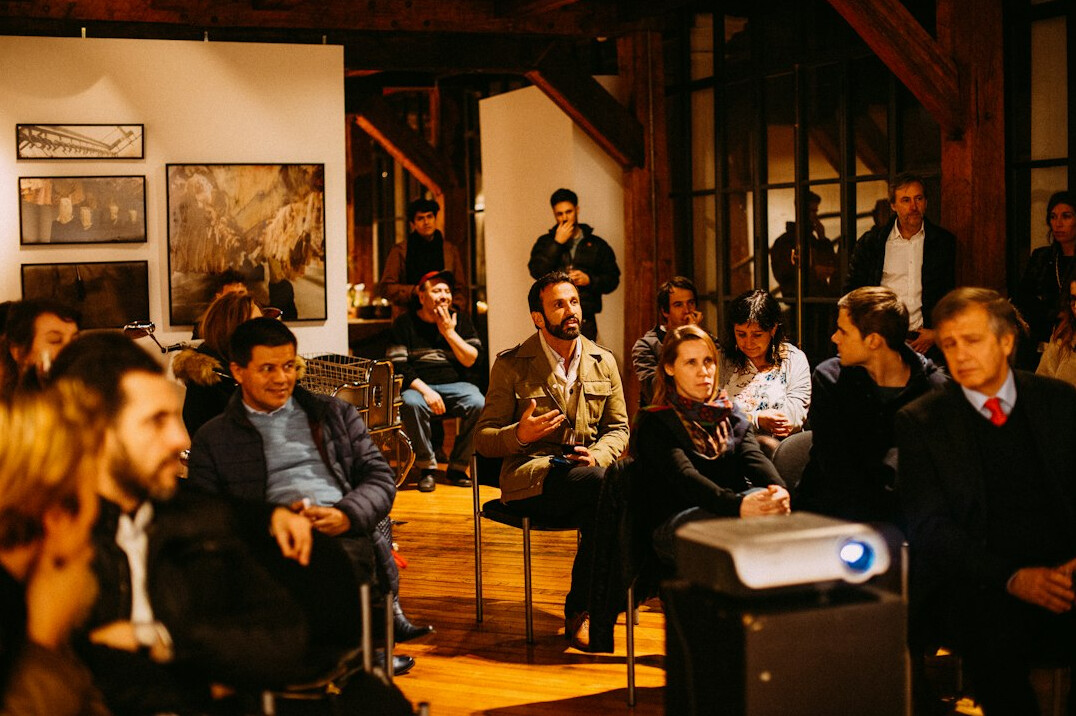
Voice modulation adds another layer. Vary your pace to highlight key points, and soften your tone during sensitive topics. In negotiation skills training, this technique helps de-escalate tensions and foster agreement, turning potential conflicts into productive dialogue.
Closing with lasting impact
A strong finish reinforces everything that came before. Summarize main ideas succinctly, then end with an invitation for further discussion. Thank the audience explicitly and collect contact details if appropriate, extending the conversation beyond the event.
Many professionals discover these nuances through structured learning. Courses focused on public speaking etiquette help refine these skills in realistic scenarios, building habits that carry into boardrooms and conferences alike. The result is presentations that feel not just informative but truly engaging.

Over time, consistent attention to etiquette turns nervous speakers into compelling communicators who leave lasting positive impressions. It is the subtle polish that separates adequate talks from those that inspire action and build real connections.